
Introduction: Why Water Matters for Skin
The skin is the largest organ of the body, acting as a protective barrier against environmental stressors, toxins, and microbes. Yet, it is also highly dependent on water to remain strong, resilient and radiant. Without adequate hydration, the skin quickly becomes dry, rough and prone to premature aging. Understanding how water improves skin health gives us insight into the vital relationship between hydration and beauty. Whether it’s through drinking water, hydrotherapy, bathing or washing your face with natural bathing soap, the consistent use of water enhances skin function and appearance.
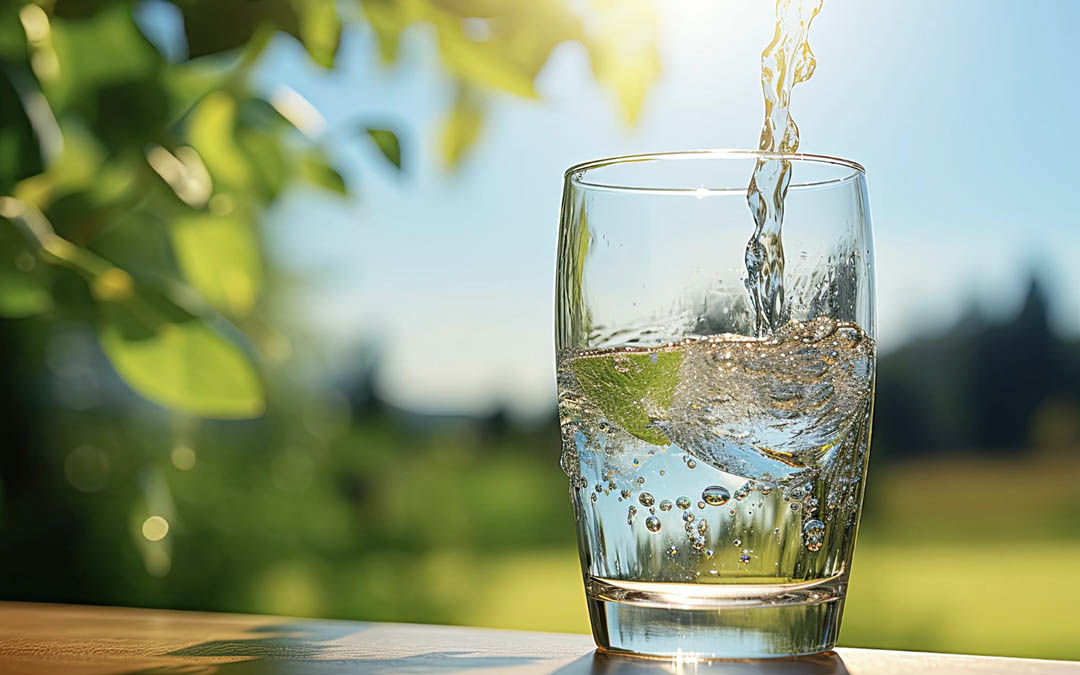
This guide will explore the science, traditions and modern practices that connect water to skin vitality, while offering practical tips on maximizing its benefits.
The Science of Skin Hydration
Water makes up about 60% of the human body and skin relies heavily on it to maintain elasticity and strength. When the body is well hydrated:
- Skin cells function better because water helps transport nutrients and flush toxins.
- Elasticity improves, reducing fine lines and wrinkles.
- The skin barrier strengthens, protecting against irritants, allergens and infections.
A 2015 study published in Clinical, Cosmetic and Investigational Dermatology found that increasing water intake significantly improved skin hydration and physiology in participants with low daily water consumption. This shows that drinking water directly affects skin health.
Drinking Water for Skin Health
Why Drinking Water is Crucial
When we talk about how water improves skin health, drinking water is the most fundamental step. The skin’s outer layer, the stratum corneum, requires adequate hydration to remain smooth and plump. Insufficient water intake can lead to:
- Dry, flaky patches
- Increased sensitivity
- Premature fine lines
- A dull, uneven skin tone
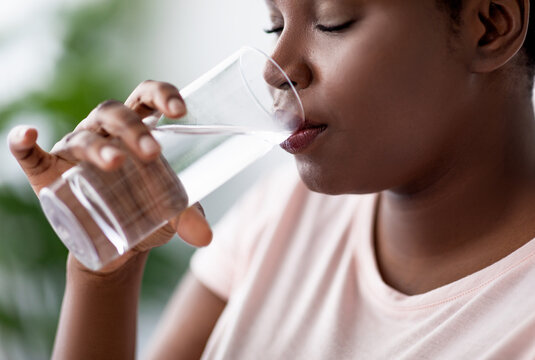
On the other hand, drinking enough water:
- Boosts circulation, which nourishes skin cells
- Supports detoxification, flushing out impurities
- Keeps the face looking refreshed and vibrant
How Much Water Should You Drink?
Most experts recommend about 8 glasses (2 liters) per day, but individual needs vary depending on climate, activity level, and body size.
A simple test: pinch the skin on the back of your hand. If it snaps back quickly, you’re well hydrated. If it stays raised, your skin—and your body—needs more water.
Check our blog on Diet and Skin Health to see how food and hydration together improve your complexion.
According to Harvard Health, adequate hydration not only supports the body but also helps maintain skin vitality.
Hydrotherapy: Healing with Water
Hydrotherapy refers to the therapeutic use of water in various forms—hot, cold, steam or mineral baths—to support health and wellness. It has been used since ancient times in cultures from Greece to Japan.
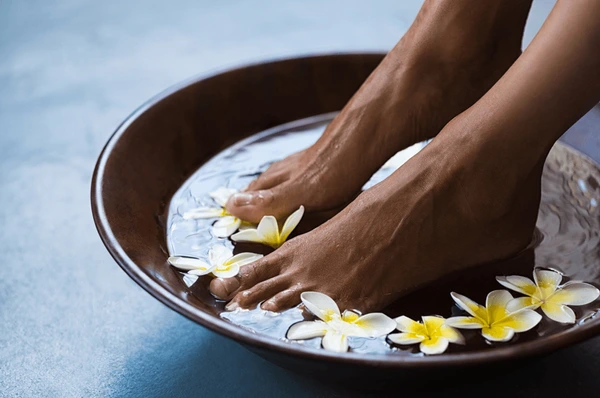
Benefits of Hydrotherapy for Skin
- Cleansing: Steam opens pores, releasing trapped dirt and oils.
- Circulation boost: Alternating hot and cold water stimulates blood flow to the face and skin surface.
- Inflammation relief: Cold compresses reduce swelling, puffiness, and redness.
- Detoxification: Mineral baths infuse the skin with nutrients like magnesium and calcium.
Practical Hydrotherapy Practices
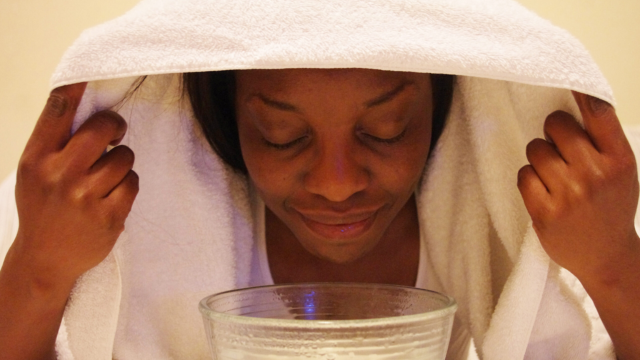
- Face steaming: A bowl of hot water with herbs (like chamomile) helps unclog pores.
- Contrast showers: Alternating hot and cold water while bathing improves circulation and skin tone.
- Mineral-rich soaks: Natural hot springs or Epsom salt baths deliver skin-healing minerals.
Learn more about hydrotherapy and wellness from the National Institutes of Health and read our article on The Role of Hydrotherapy in Modern Skincare for more information and tips.
Bathing and Its Role in Skin Health
Bathing isn’t just about hygiene—it’s one of the most important uses of water for skin health.

Benefits of Bathing
- Removes dirt, oil, and bacteria that clog pores and cause breakouts.
- Relieves stress, which indirectly benefits skin by reducing cortisol-driven breakouts.
- Softens and hydrates skin, especially when warm (not hot) water is used.
Choosing the Right Bathing Soap
The type of bathing soap you use makes a big difference. Many commercial soaps contain harsh detergents that strip the skin of its natural oils, leaving it dry and irritated.
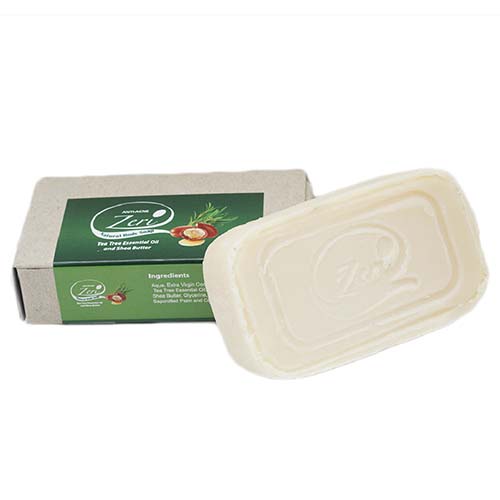
For healthier skin, look for soaps that are:
- Natural and plant-based (like moringa, neem, or shea butter soaps)
- Free from sulfates and parabens
- Moisturizing with ingredients like glycerin, aloe vera, or coconut oil
Read our post on The Benefits of Natural Soap to learn why gentle, eco-friendly soaps are best for your skin. For a guide on soap selection, read our article on The Best Natural Soaps for Healthy Skin
Washing Your Face: The Foundation of Skincare
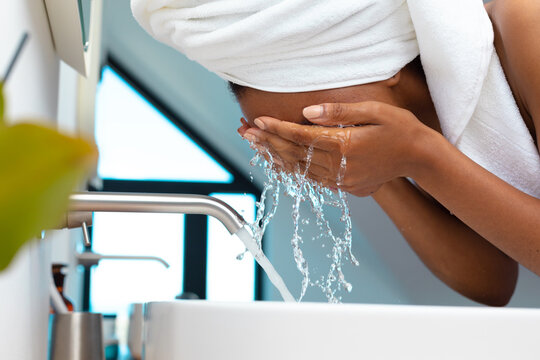
The face is often the first place where signs of dehydration, stress or pollution appear. Washing the face with water and a mild cleanser is essential for maintaining skin clarity and glow.
Benefits of Face Washing
- Removes dirt, pollutants and sweat
- Prevents buildup of excess oil
- Reduces acne and pimples
- Prepares the skin for moisturizers and treatments
Best Practices
- Wash twice daily—once in the morning, once before bed
- Use lukewarm water (too hot can dry skin)
- Follow up with a moisturizer to lock in hydration
Check out the American Academy of Dermatology guidelines for proper face washing techniques. Read this guide as well on Face Washing Mistakes You Should Avoid.
Water Temperature and Skin Health
The temperature of the water you use while washing, bathing or doing hydrotherapy greatly affects your skin:
- Hot water: Strips oils, leading to dryness and irritation
- Cold water: Refreshes, tightens pores and reduces puffiness
- Lukewarm water: Ideal for daily washing and bathing
Tip: Always finish with a splash of cool water on the face to refresh and tone.
Water-Based Skincare Routines
In addition to drinking and bathing, you can integrate water into your skincare routine:
- Misting sprays: Hydrate the skin during the day
- Gel-based moisturizers: Water-rich formulas for light hydration
- Sheet masks: Infuse skin with water and nutrients
- Cleansing waters: Like micellar water, which gently removes impurities without harsh soaps
Cultural Practices Around Water and Skin
Across the world, water has been revered as a healing and beautifying element:
- Japanese Onsen baths: Mineral-rich hot springs that nourish skin
- Turkish hammams: Steam baths that deeply cleanse pores
- Indian Ayurveda: Herbal-infused baths for detox and skin balance
- Nordic cold plunges: Enhance circulation and invigorate the skin
Common Myths About Water and Skin
- Myth: Drinking excess water alone will cure dry skin.
- Truth: Drinking water supports hydration but external moisturizing is also necessary.
- Myth: Hot baths are best for cleansing.
- Truth: Overly hot water strips oils and worsens dryness.
- Myth: Soap doesn’t matter, only water does.
- Truth: The type of bathing soap affects skin balance significantly.
Practical Tips for Using Water to Improve Skin Health
- Start your day with a glass of warm water to kickstart hydration.
- Carry a reusable water bottle to encourage consistent drinking water.
- Wash your face twice daily with lukewarm water and gentle soap.
- Limit shower time to 10–15 minutes to prevent skin dryness.
- Add Epsom salt or essential oils to your bath for therapeutic benefits.
- Practice weekly face steaming or hydrotherapy for deep cleansing.
- Choose moisturizing bathing soap with natural oils.
- Always moisturize after bathing or washing to lock in water.
Conclusion: Water as Skin’s Best Friend
From the inside out and the outside in, water plays a critical role in keeping skin healthy, youthful and glowing. Whether it’s drinking water, hydrotherapy, bathing or washing the face with natural bathing soap, the use of water is the foundation of effective skincare.
Hydration is not a luxury—it is a necessity. By making water a priority in your lifestyle and skincare routine, you can maintain skin that looks and feels its very best.