
Introduction: Could Your Soap Be the Real Problem?
If you live in Kenya, chances are you use soap at least twice daily—especially with our warm climate and frequent dust exposure. But here’s a question most people never ask:
Is your soap damaging your skin?
Many commercial products sold in supermarkets across Nairobi, Kisumu, Mombasa and other towns contain harsh detergents that may qualify as harmful soap for skin. While they promise “deep cleansing” or “antibacterial protection,” they often strip your skin’s natural oils, weaken your skin barrier and trigger dryness or acne.
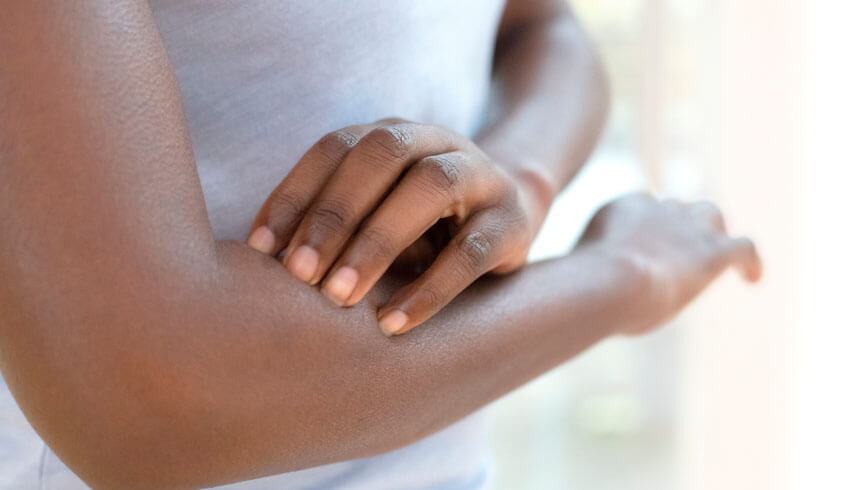
At Gibeon Soaper, we have seen many customers switch to natural formulations after struggling with persistent irritation caused by synthetic cleansers. If you’ve been battling unexplained dryness, breakouts or tightness, your soap might be the hidden cause.
In this in-depth guide, we will explore:
- What makes a soap harmful
- 15 signs your soap is damaging your skin
- Ingredients to avoid
- Why climate in Kenya makes soap choice even more important
- How to choose a safe alternative
- Why natural handmade soap in Kenya is gaining popularity
By the end of this article, you’ll know whether you’re using harmful soap for skin—and what to do about it.
Understanding Your Skin Barrier
Your skin isn’t just a surface—it’s a living protective organ. According to dermatology experts such as the American Academy of Dermatology, healthy skin maintains a slightly acidic pH and a protective barrier made of lipids and natural oils.
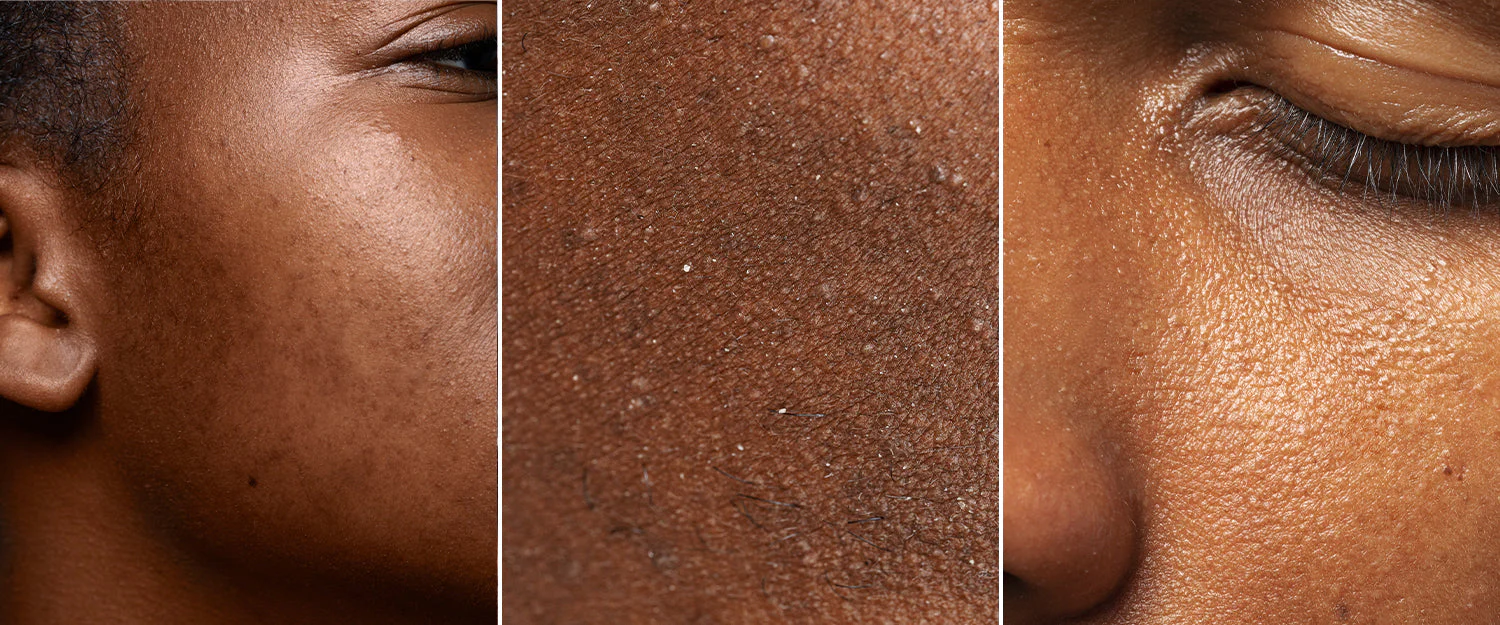
This barrier:
- Locks in moisture
- Protects against bacteria
- Shields against pollutants
- Prevents inflammation
When you use harmful soap for skin, especially highly alkaline bars this barrier becomes compromised.
In Kenya’s climate—where sun exposure and dust are common—your skin barrier already works hard. Using harsh soap adds unnecessary stress.
What Makes Soap Harmful?
Soap becomes harmful when it:
1. Strips Natural Oils
Over-cleansing leaves your skin defenseless.
2. Contains Harsh Surfactants
Ingredients like Sodium Lauryl Sulfate (SLS) are known irritants.
3. Includes Synthetic Fragrance
Artificial fragrance is one of the top causes of skin irritation.
4. Is Highly Alkaline
Disrupts natural skin pH balance.
5. Contains Questionable Antibacterial Agents
The U.S. Food and Drug Administration has restricted certain antibacterial chemicals due to safety concerns.
If your soap includes several of these factors, you may be using harmful soap for skin daily.
15 Clear Signs Your Soap Is Damaging Your Skin
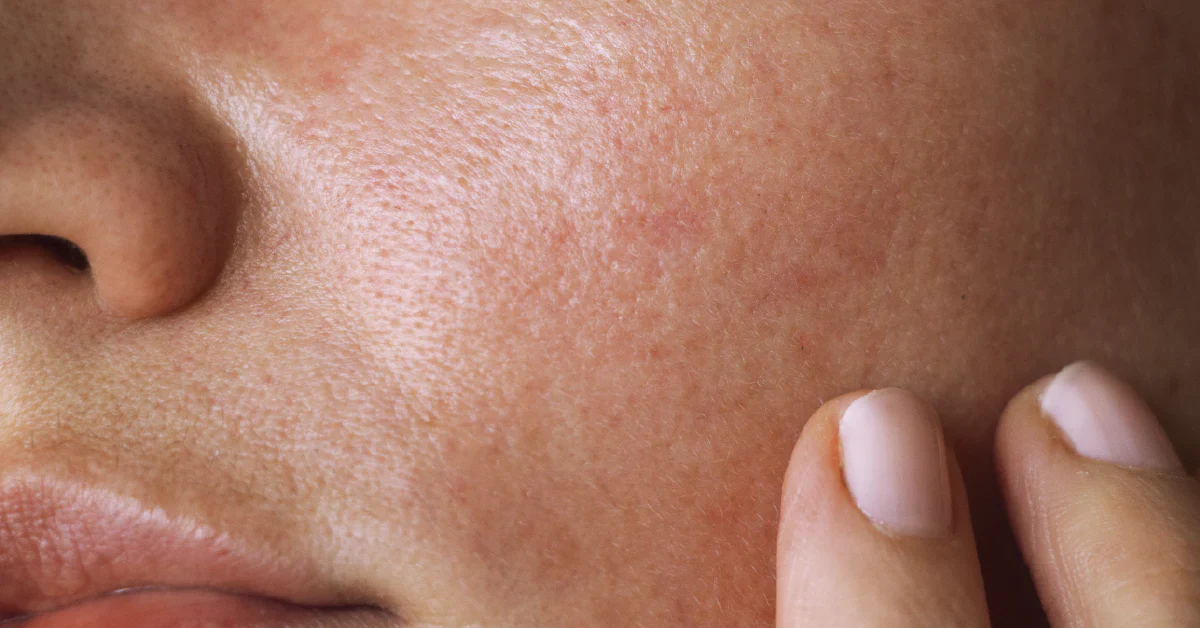
Let’s break down the warning signs.
1. Tightness After Washing
Your skin should feel clean—not stretched or stiff.
2. Persistent Dryness
If you must apply lotion immediately after washing, your soap may be too harsh.
3. Flaking or Peeling
A damaged barrier leads to excessive shedding.
4. Increased Acne
When harsh soap dries your skin, your body produces excess oil—leading to clogged pores.
For those struggling with breakouts, consider reading our internal guide on acne care here:
https://gibeonsoaper.com/how-to-clear-acne-naturally/
Switching to a gentle soap for acne, trusted in Kenya, can significantly improve skin balance.
5. Redness
Inflammation often indicates irritation.
6. Burning or Stinging
Soap should never cause pain.
7. Itchiness
Dryness + synthetic fragrance = itching.
8. Eczema Flare-Ups
Harsh cleansers worsen dermatitis.
9. Dull Skin
When moisture is lost, glow disappears.
10. Overproduction of Oil
Stripping oil causes rebound oiliness.
11. Fine Lines Becoming More Visible
Chronic dehydration accelerates visible aging.
12. Uneven Skin Tone
Inflammation may worsen hyperpigmentation.
13. Body Breakouts
If your back or chest breaks out, your body soap may be harmful.
14. Rough Texture
Healthy skin should feel smooth.
15. You Avoid Washing
If cleansing feels uncomfortable, your soap is not working for you.
Why Harmful Soap for Skin Is a Bigger Problem in Kenya
Kenya’s environmental conditions make skin more vulnerable:
- Strong equatorial sun
- Dust in urban areas
- Humidity in coastal regions
- Hard water in some counties
Using harmful soap for skin in these conditions can lead to faster barrier damage.
For example:
- In Nairobi’s dry seasons, harsh soap worsens dehydration.
- In Mombasa’s humidity, stripping soap increases oil production.
This is why choosing the right natural soap Kenya residents can rely on is crucial.
Common Harmful Ingredients to Avoid
Here are ingredients often found in mass-produced soaps:
- Sodium Lauryl Sulfate (SLS)
- Sodium Laureth Sulfate (SLES)
- Synthetic fragrance
- Parabens
- Triclosan
- High alcohol content
These ingredients contribute to making soap harmful for skin.
The Long-Term Effects of Using Harmful Soap
If ignored, damage may lead to:
- Chronic sensitivity
- Persistent acne
- Hyperpigmentation
- Premature aging
- Compromised barrier function
Repairing your skin barrier can take weeks or months.
Why Natural Handmade Soap in Kenya Is Gaining Popularity
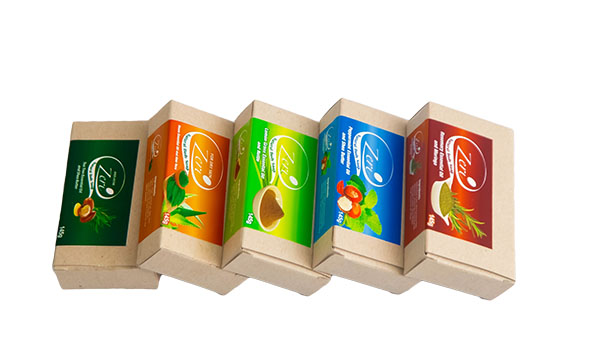
Consumers are becoming more ingredient-conscious. Many are moving toward:
- Cold-processed soap
- Plant-based oils
- Minimal additives
- No artificial fragrance
At Gibeon Soaper, our approach focuses on nourishing oils such as shea butter and neem oil to help protect the skin barrier.
Explore our natural soap collection here:
https://gibeonsoaper.com/shop/
Using locally crafted soap also supports Kenyan businesses and reduces reliance on heavily processed imports.
How to Test Whether Your Soap Is the Problem
Try this 7-day reset:
- Stop your current soap.
- Switch to a mild, fragrance-free natural soap.
- Observe changes in dryness, redness or breakouts.
Improvement suggests you were using harmful soap for skin.
Choosing the Right Soap for Your Skin Type
Oily Skin
Avoid over-stripping. Choose balancing natural oils.
Dry Skin
Look for shea butter-rich formulations.
Sensitive Skin
Choose fragrance-free soap.
Acne-Prone Skin
Opt for gentle antibacterial botanical ingredients.
If you’re unsure, our guide on natural skincare can help:
https://gibeonsoaper.com/why-natural-soap-is-better-for-your-skin-health-and-the-environment/
The Science of Skin Barrier Repair
When your barrier is damaged:
- Transepidermal water loss increases
- Irritants penetrate deeper
- Inflammation rises
Restoring it requires:
- Gentle cleansing
- Moisturizing oils
- Sun protection
- Patience
Avoiding harmful soap for skin is step one.
Children and Sensitive Skin

Children’s skin is thinner and more delicate. Avoid harsh detergents entirely. Choose mild natural soap made without synthetic fragrance.
Frequently Asked Questions (FAQ)
Can soap really cause acne?
Yes. Over-drying triggers oil overproduction.
How often should I wash my face?
1–2 times daily is sufficient.
Is antibacterial soap necessary?
In most cases, no. Regular gentle cleansing works well.
How long does it take skin to recover?
Usually 2–6 weeks after eliminating harmful irritants.
Why Gibeon Soaper Focuses on Gentle Formulations
As a Kenyan natural skincare company, Gibeon Soaper prioritizes:
- Minimal ingredient lists
- Plant-based oils
- Skin-barrier support
- No harsh detergents
We understand local climate challenges and formulate accordingly.
Our mission is simple: eliminate harmful soap for skin from Kenyan households and replace it with nourishing alternatives.
Final Thoughts
Soap should support your skin—not damage it.
If you notice:
- Tightness
- Dryness
- Breakouts
- Redness
- Itching
Your product may qualify as harmful soap for skin.
Switching to a gentle, natural soap Kenya consumers trust can dramatically improve skin health.
Your skin barrier is precious. Protect it.
Explore safe, nourishing alternatives at:
https://gibeonsoaper.com/